Лучший объектив есть. The best vintage lens there is. Pure and simple. At least from Russia, where normally little stable quality can be expected when it comes to lenses or cameras. That said, the Helios 44-2 is at the top of my list of favorite vintage lenses. ‘Best’ not expressed in performance, sharpness, contrast or other technical aspects. But best and unsurpassed in charm and breathtaking Bokeh, bokeh…and bokeh.
Continue reading “The best(y) from the USSR: Zenit Helios 40-2”Icarette: the jewel of Dresden
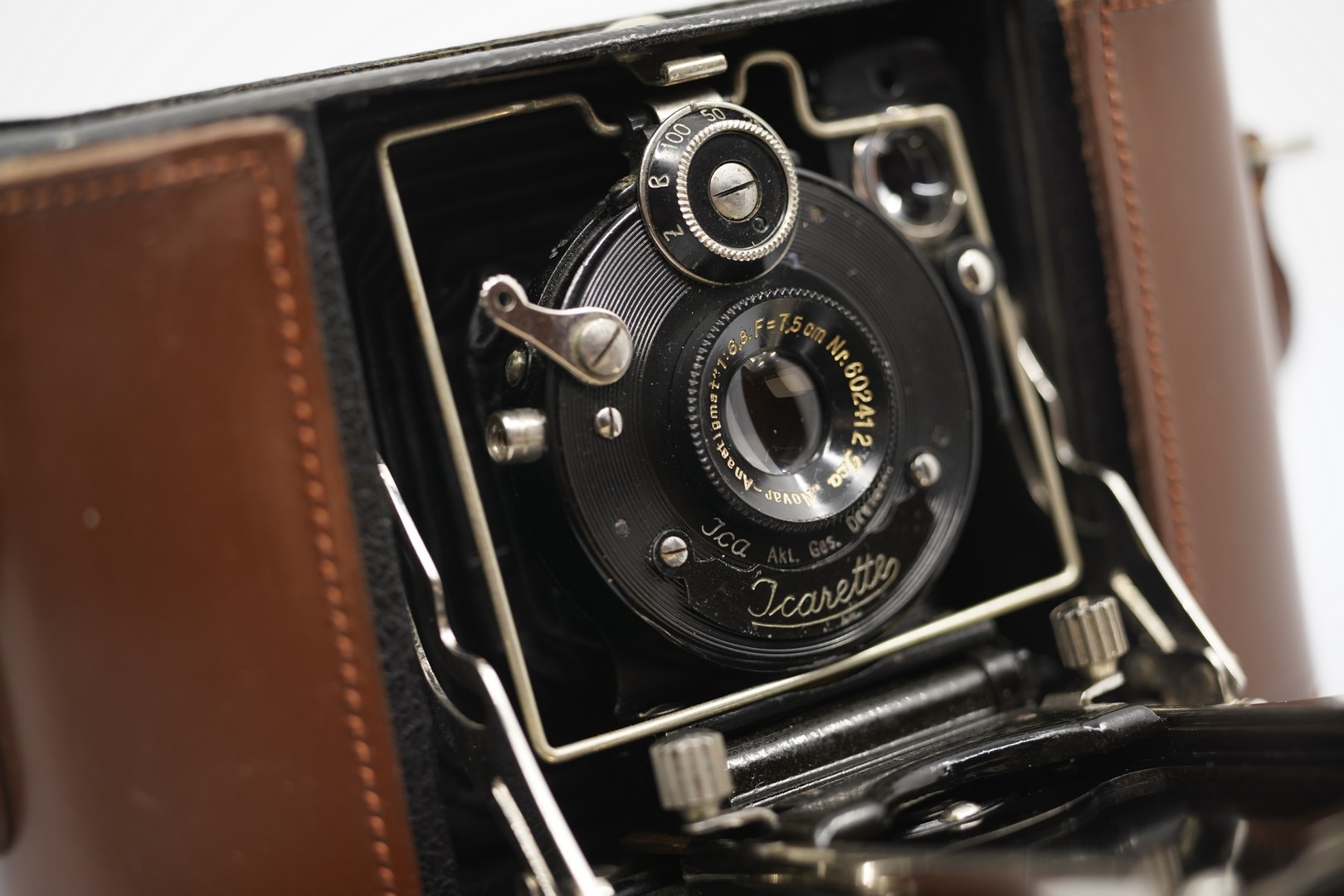
A camera that appeals to the imagination is the charming and historically significant Icarette, the forerunner of the consumer camera in Germany. For that we have to go back all the way to the intriguing 1920s of the last century. And there is a lot to tell.
Continue reading “Icarette: the jewel of Dresden”Live long and prosper: Rolleicord
Few cameras have undergone hardly any external changes in their existence as the Rollei’s. Everyone recognizes the Rolleiflex or Rolleicord by its striking appearance. The square box with two lenses. Here we are looking at a Rolleicord Twin Lens Reflex from 1955, the last model V of which the last Vb was made by Franke & Heidecke in 1966.
Continue reading “Live long and prosper: Rolleicord”Rokker solid: Minolta 35 F 2.8
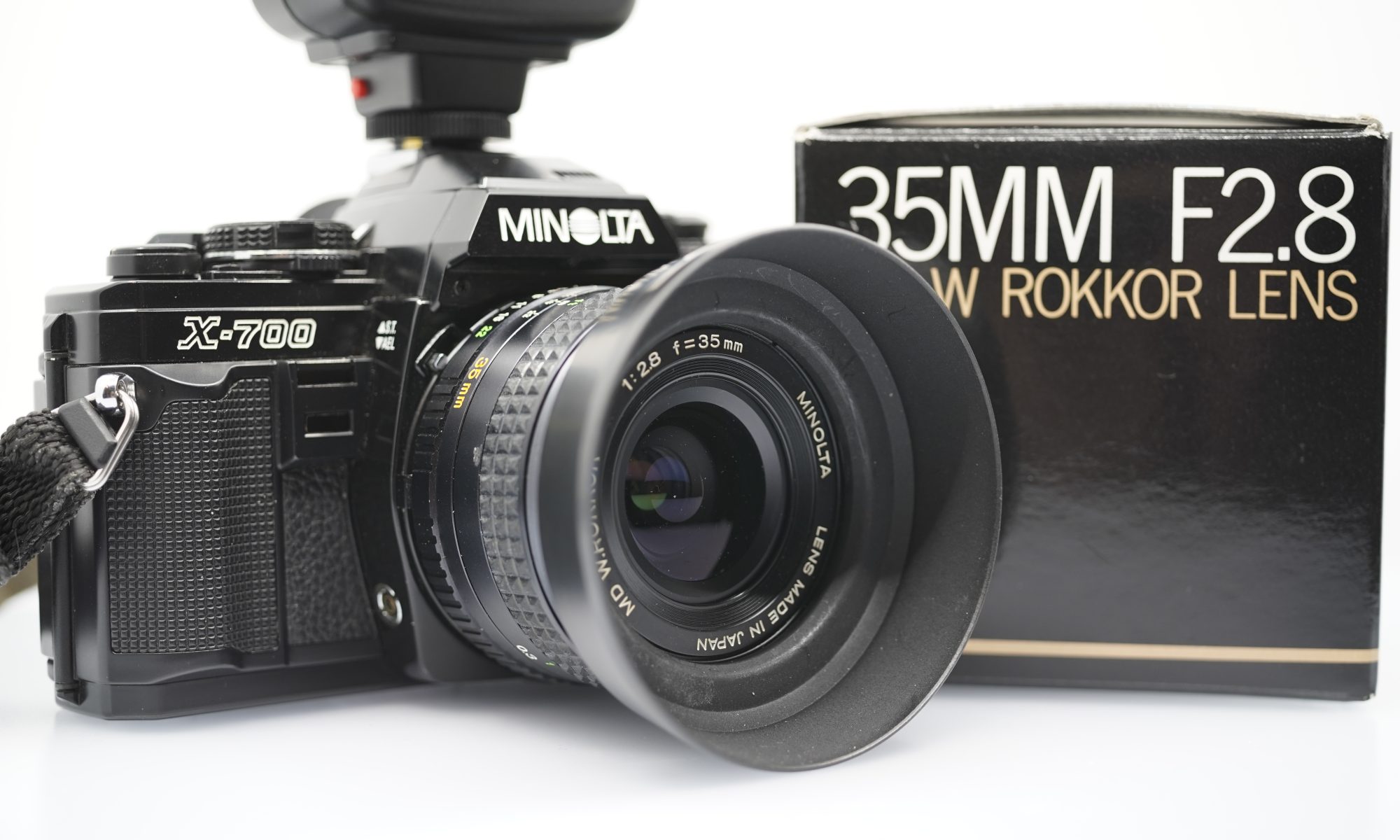
From it’s production date 1977 the Minolta MD 35 mm F 2.8 has been underrated, due to it’s more attractive sister, the even older and faster F 1.8. But in the current hype of vintage lenses the old Rokkor finally gets the justified appreciation it should have had a long time ago. It is one of the best of its kind and this is why.
Continue reading “Rokker solid: Minolta 35 F 2.8”Perfection from the thirties: Zeiss Ikon Super Ikonta
Sometimes vintage cameras can perform something that has not (yet) been enabled digitally. That is the case for this brilliant Zeiss Ikon Super Ikonta C 531/2 from 1936. A vintage folder, but with superior image quality thanks to the super large 6×9 medium format. One of the very best pre-war cameras and still unrivaled today. And it’s pocket size!
Continue reading “Perfection from the thirties: Zeiss Ikon Super Ikonta”Scanning film: Go Positive!
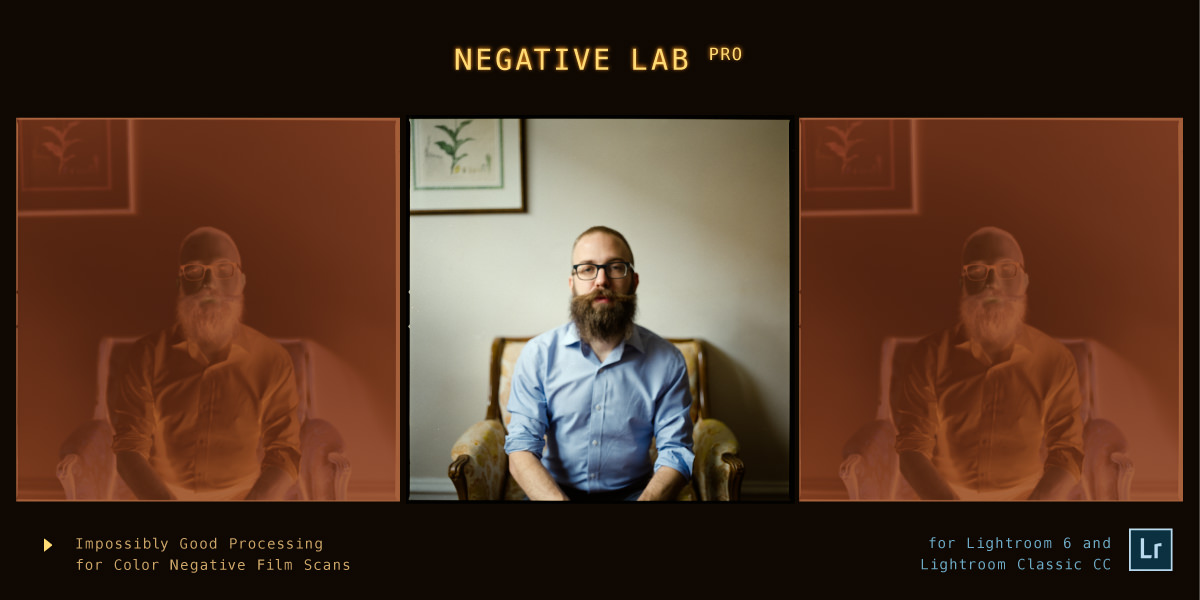
The most difficult step after developing a roll of film is scanning your negatives. Difficult because it is a time-consuming task with not always the desired results. Nevertheless, with a few tips and tricks you can achieve good results faster, better and in a more pleasant way.
Continue reading “Scanning film: Go Positive!”The East German Queen: Exakta Varex VX
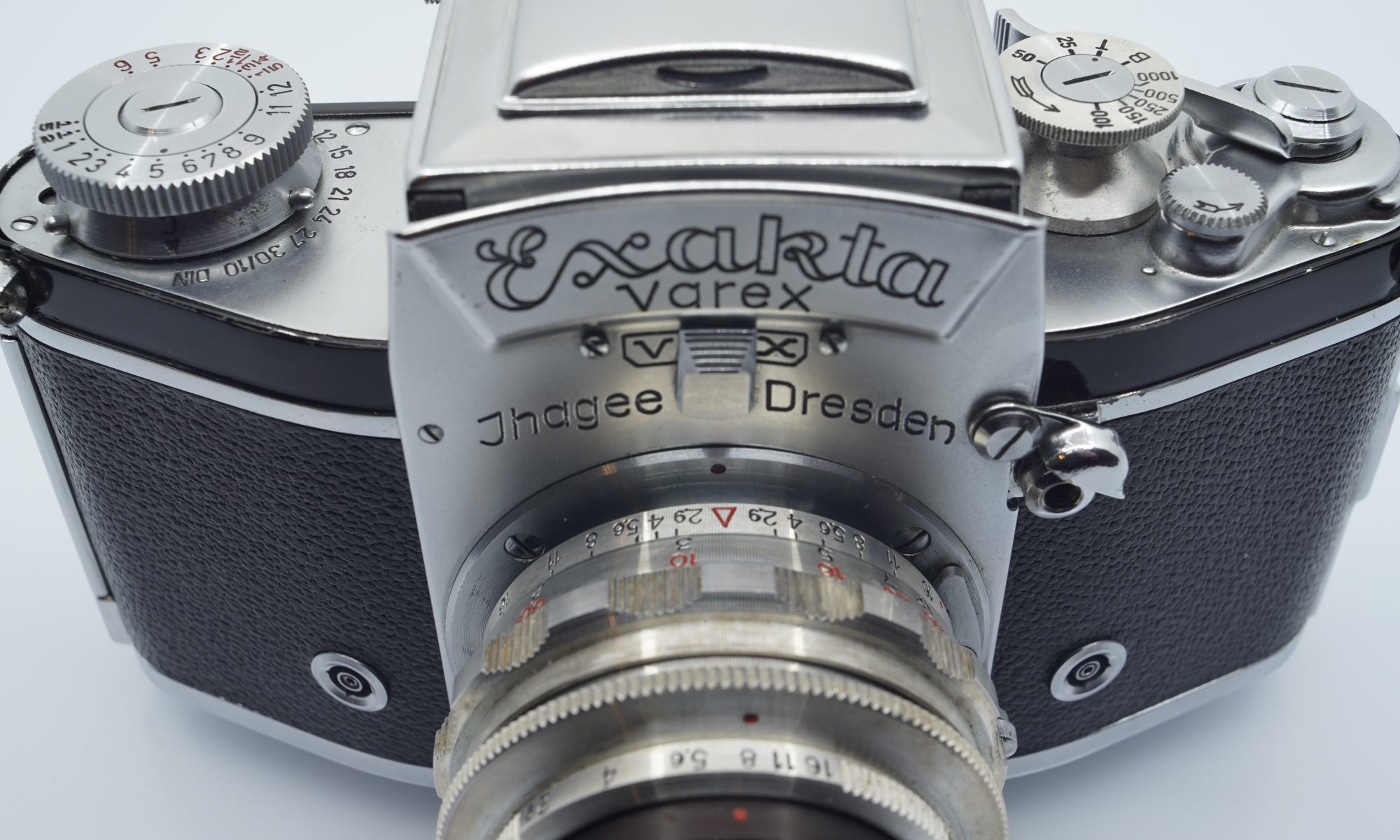
She is graceful, but also bombastic, but that is part of the real lady. The Exakta Varex VX is glitter, the former East German bling bling camera from 1956. At the same time ingeniously built and with a real optical viewfinder. Jimmy Stewart used it in the classic “Rear Window” movie by Alfred Hitchcock and also the Invasion ’68 in Prague was legendary captured by it.
Continue reading “The East German Queen: Exakta Varex VX”Like a Volkswagen: Voigtlander Vitomatic
Imagine Germany by the end of the fifties. The economy is growing rapidly, people can afford more luxury than before. They can spend money on vacations and go to the Alps with their Volkswagen. The camera comes along and which one fits best with the average family? Meet the popular Vitomatic from Voigtlander.
Continue reading “Like a Volkswagen: Voigtlander Vitomatic”Leica Summitar 2/50
They were considered the best lenses from the first half of the last century. The summarit, summarex, summar, summitar, elmarit, elmar …. unforgettable names for lenses that each guaranteed the impeccable quality of its makers Ernst Leitz and Max Berek. Today we review a summitar F2 / 50 mm that will look out of place on a modern digital camera, but with an adapter surpasses many modern lens in terms of sharpness and color rendering.
Continue reading “Leica Summitar 2/50”Leica III is a feeling
There is no other camera that is as fascinating and inspiring as the vintage Leica from the forties and fifties of the past century. Without this camera, photography would not have become what it is today. No wonder that this masterpiece by Ernst Leitz and Oscar Barnack is still the most beloved old-timer from the analogue era.