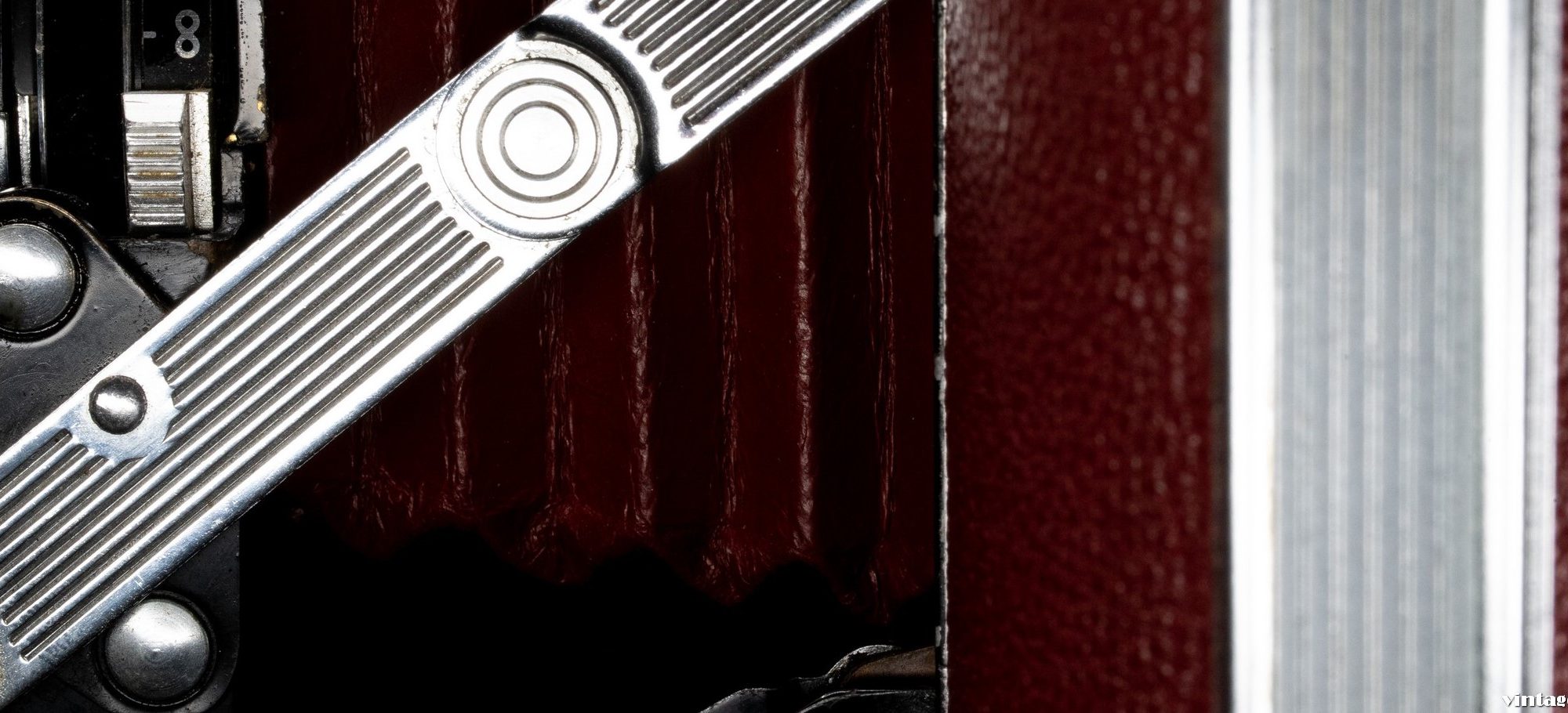
Mysterious, magical and the example of modernization from the 1930s: the Voigtländer Virtus, the signature industrial design of a series of model names such as Prominent, Inos and Perkeo. All deep black with striking gearstyle knobs. A camera way ahead of its time and at the same time fitting the worrying changes in Germany. Virtus carries connotations of valor, manliness, excellence, courage, character, and worth, perceived as masculine strengths.
Continue reading “The valor of Voigtländer Virtus”Two eyes see more than one: Zeiss Ikon Ikoflex 1c
Zeiss Ikon does not have the most popular name in the TLR segment. This is unjustified, as the range of models has been great since 1935 with the introduction of the Contaflex TLR. More famous are the 14 successors, all of which appeared under the name Ikoflex. Solid cameras up to the final model, the Ikoflex Favorit in the late 1950s. Before that there was the famous Ikoflex 1c which was the first to have an advanced LVS exposure meter. A complete working model is however hard to find. Something seems always broken.
Continue reading “Two eyes see more than one: Zeiss Ikon Ikoflex 1c”The imaginative Agfa Super Isolette
There is always much debate as to what makes a camera the best in its class. In the case of the Agfa Super Isolette, made in Berlin, the unanimous opinion is that it is the best medium format folder ever made. A camera that has aroused much envy from Leica and Zeiss Ikon. Yet the success of the camera came decades after its first production in 1954. The rapid decline in sales of 120 film in favor of the many times more popular 135 film and growing market for 35mm cameras was to blame. Not many Super Isolettes have come on the market, which complicates the search for this top Agfa model.
Continue reading “The imaginative Agfa Super Isolette”The twisted Werra
The Werra cameras from the second half of the 1950s show the level of ambition of the engineers at the Carl Zeiss factories in Jena. A camera so minimalist that a shutter button and a lens rotary mechanism should be enough to take pictures. A top design that was supposed to disguise the poor economic situation in the GDR.
Continue reading “The twisted Werra”Praktica FX2: the underdog from Dresden
There is no German camera brand as undervalued as the East German Praktica. Now, strictly speaking, it is not a brand, but a long-running model name of KW (Kamera-Werkstaetten) and later Pentacon. Once started as Praktiflex in 1939 and ended as Praktica BX20S in 2001. More than 40 models and versions have never brought the brand what it actually deserves: recognition for high quality at affordable prices.
Continue reading “Praktica FX2: the underdog from Dresden”All you need is Bessamatic
Ten years after the launch of Nikon F and the rising competition from the East, Voigtlander still manufactured with confidence and craftsmanship their SLR lineup. One of the last characteristic series for the roaring sixties was the famous Bessamatic CS. An all-to-go camera fitted with Worlds first zoom lens. All you need in one camera and one lens.
Continue reading “All you need is Bessamatic”Leica II: the jewel of Wetzlar
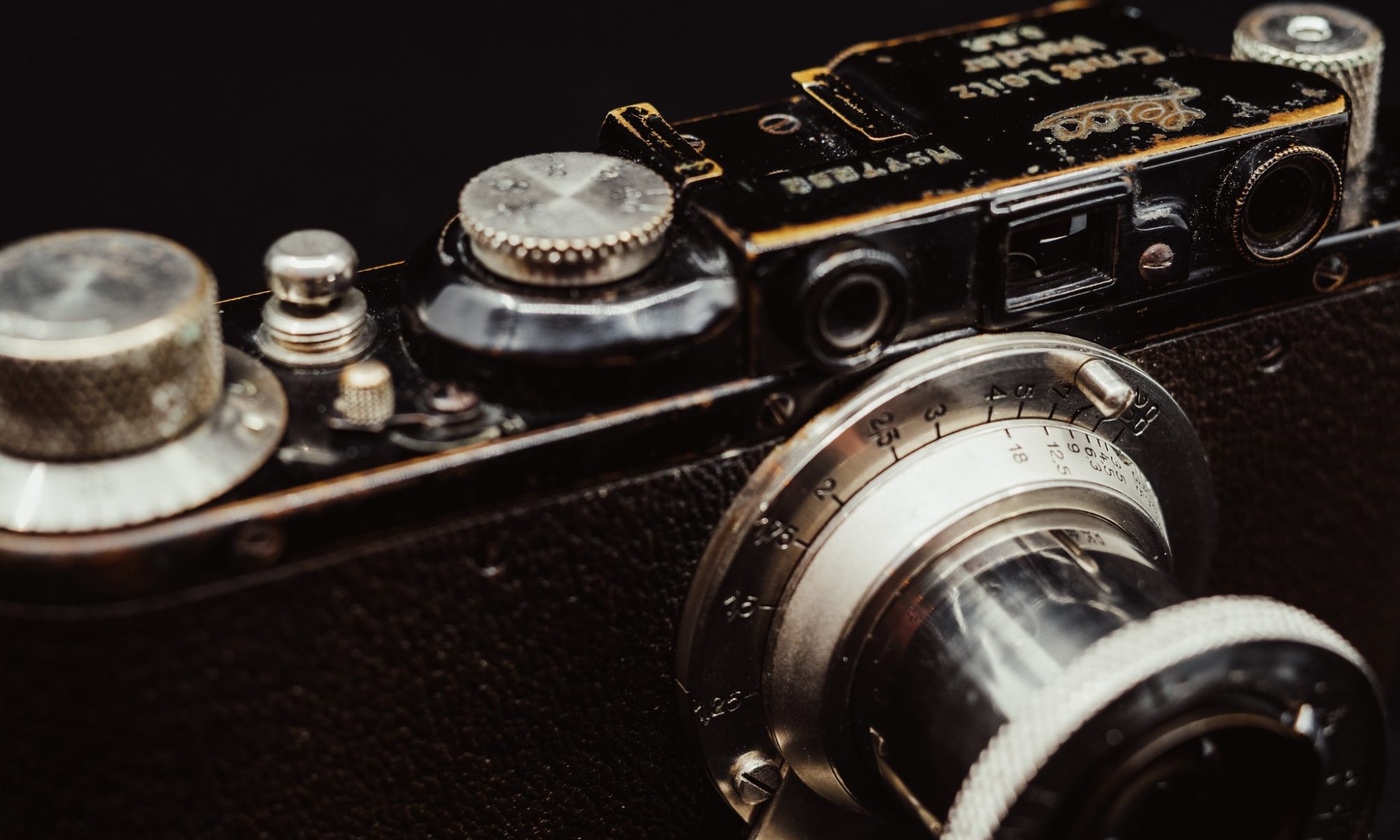
The year is 1932. In the central German town of Wetzlar, the first Leica IIs roll off the production line. Handmade by mechanics in white coats. Following the Leica I with a simple viewfinder, Oskar Barnack succeeded in integrating a rangefinder into his camera. It would change the history of the Leitz company forever.
Continue reading “Leica II: the jewel of Wetzlar”A forgotten brand: Wirgin Edixa Reflex
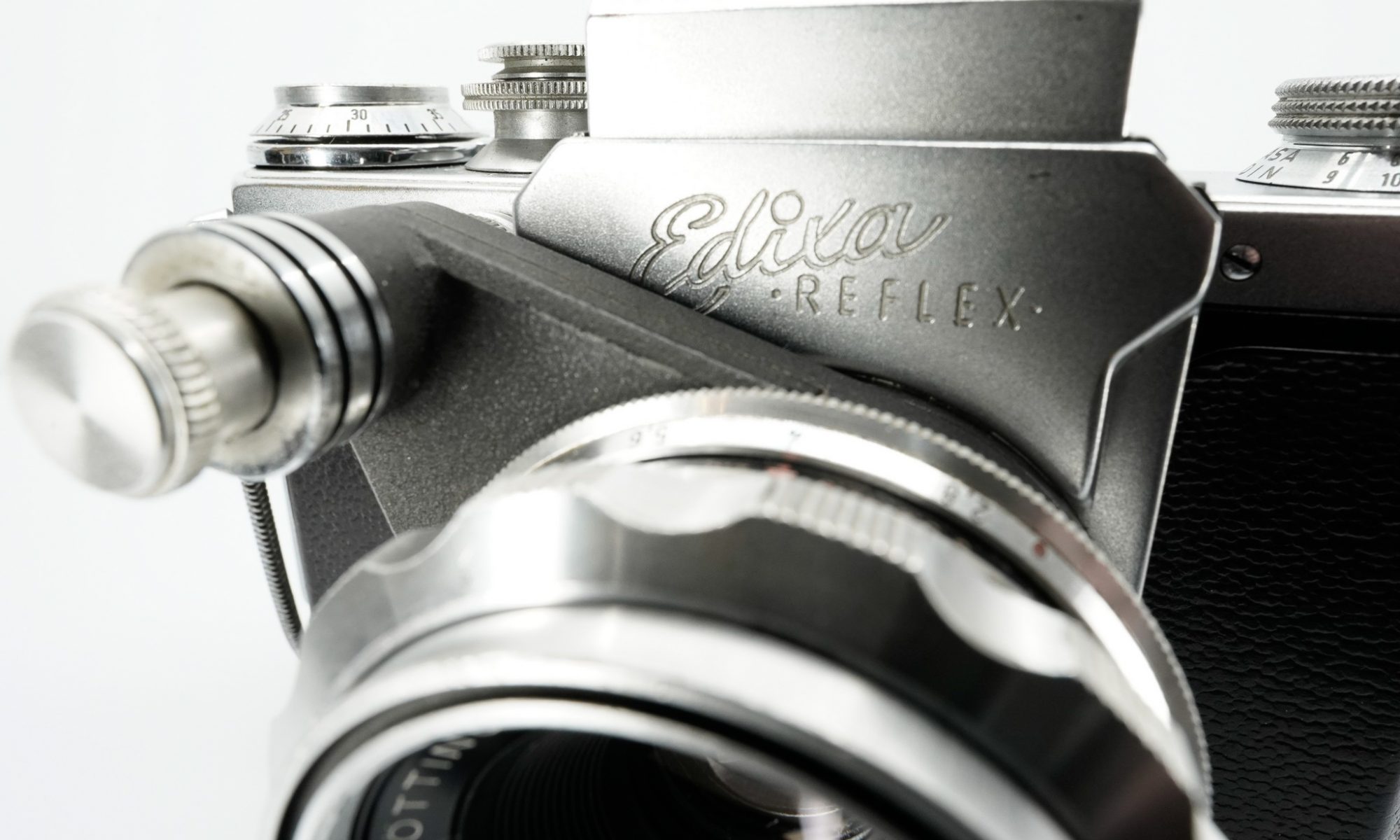
Did you know that the Edixa Reflex was world’s first camera with a film wind lever? Such a common thing in use, but where did it came from? Germany, or in this case from a company in Wiesbaden that started in 1920. Only a few people know that the Edixas were one of the first and the best of West-German cameras in technical terms, ending the leaf shutter and one of the first to present the Instant Return Mirror. And the most silent shutter as well, as if using a Leica.
Continue reading “A forgotten brand: Wirgin Edixa Reflex”The day the world stood still: Nikon F
Ever heard of Masahiko Fuketa? He was the main engineer at japanese Nippon Kogaku’s optics manufacturer Nikon. The company that became the biggest copycat player due to their many Leica and Zeiss rangefinder camera copies. Rebuilding Japan after WOII was an almost futile action without the help and knowledge of other countries, but the ambitions in the sixties grew to make Japan economically great again and with own, unique products that could be sold worldwide. A land of creativity and power. In 1959 they launched finally their own imagination with a camera that simply was named with the first letter of the engineer’s last name: F. It would change the world of photography forever.
Continue reading “The day the world stood still: Nikon F”Extravagant: Zeiss Ikon Super Nettel
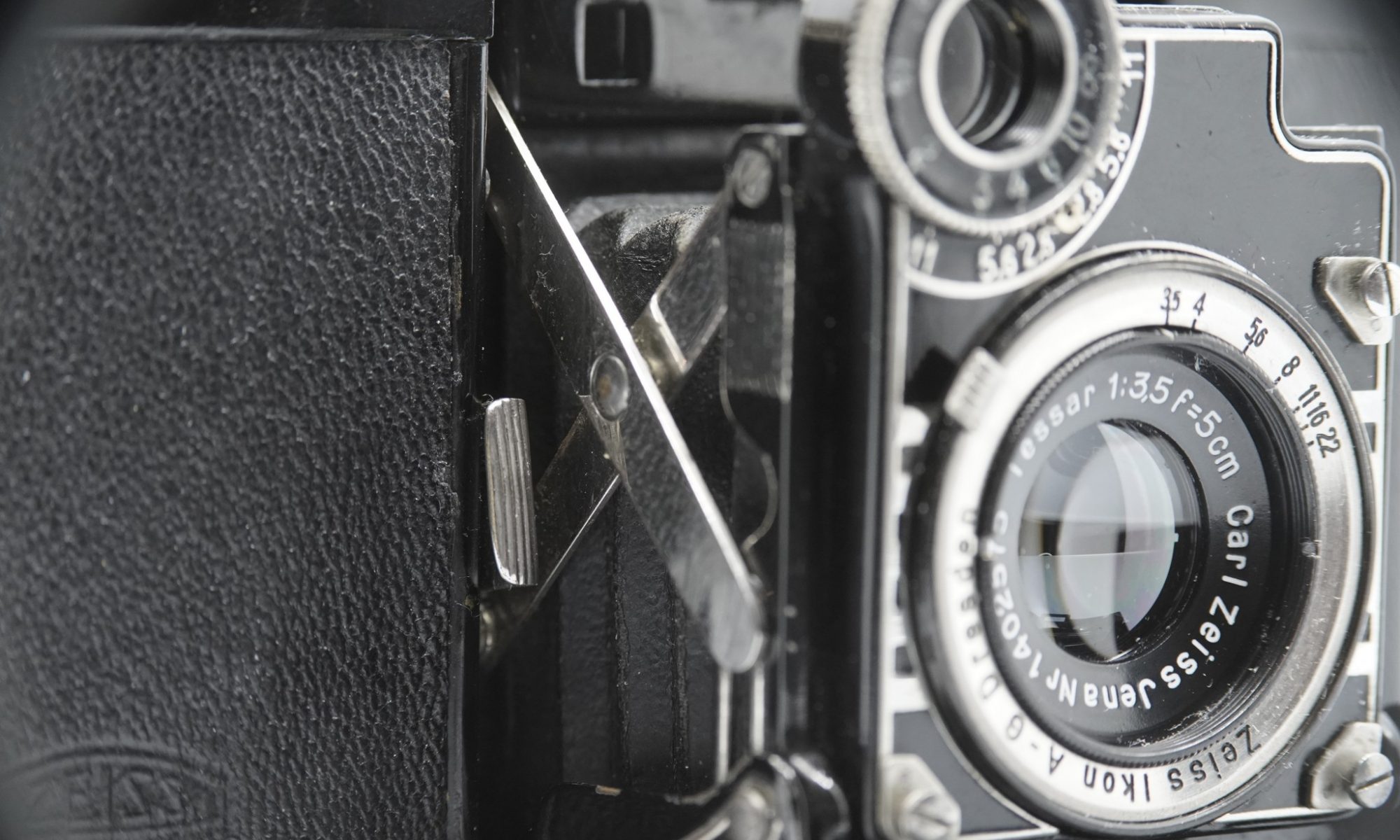
Something big can be stored in a modest small housing. In the early thirties the Super Nettel from Zeiss Ikon became the little sister of the Big Contax. Cheaper, a fixed lens, but in no means less beautiful, charming and even a little extravagant. Just the right qualities to fit in my personal top 5. What a Barnack is for Leica, is the Super Nettel the derivative for Zeiss-Ikon.
Continue reading “Extravagant: Zeiss Ikon Super Nettel”