There are cameras that are so popular or beloved that they have acquired iconic status. One name that is certainly not missing from that list is the legendary Leica M6, the quirky rangefinder that took the world by storm in 1984. Even today, one of the most sought-after cameras. Last month it went in a backpack through Nepal. This is the photographic travel log of an analog adventure.
Continue reading “Leica M6 in a backpack”Beauty & the beast: Koni Rapid Omega 100
Very occasionally you come across a camera that won’t let you go. From whichever way you look at the Japanese Koni(ca) Rapid Omega, it intrigues and invites you to work and play with it and enjoy its extremely solid and cleverness design. You’ll have however to exercise your arm muscles, because the medium format beast weighs nearly 2 kg.
Continue reading “Beauty & the beast: Koni Rapid Omega 100”Design for the masses: Agfa Silette L
Mass production of 35mm cameras really took a huge leap in the 1950s. The War was over, reconstruction, growing optimism in a better world led to great economic progress. Vacations became possible, with the whole family in tents or caravans and capture precious memories with affordable cameras. These were the prime years of photography, for everyone. This demand asked for numerous brands and models. In addition to the Agfa film roll, the German company also managed to deliver quality in its own cameras, the Silette being one of the most popular.
Continue reading “Design for the masses: Agfa Silette L”The Out of the Box cameras
Not everyone wants or benefits from an advanced camera. And for a lot of people, a camera is an expensive and luxurious product, especially in the middle of the last century. The well-known manufacturers Zeiss Ikon and Voigtlander had found something for that: a camera for beginners, without bells and whistles. A square box with a lens.
Continue reading “The Out of the Box cameras”Also known As AkArette
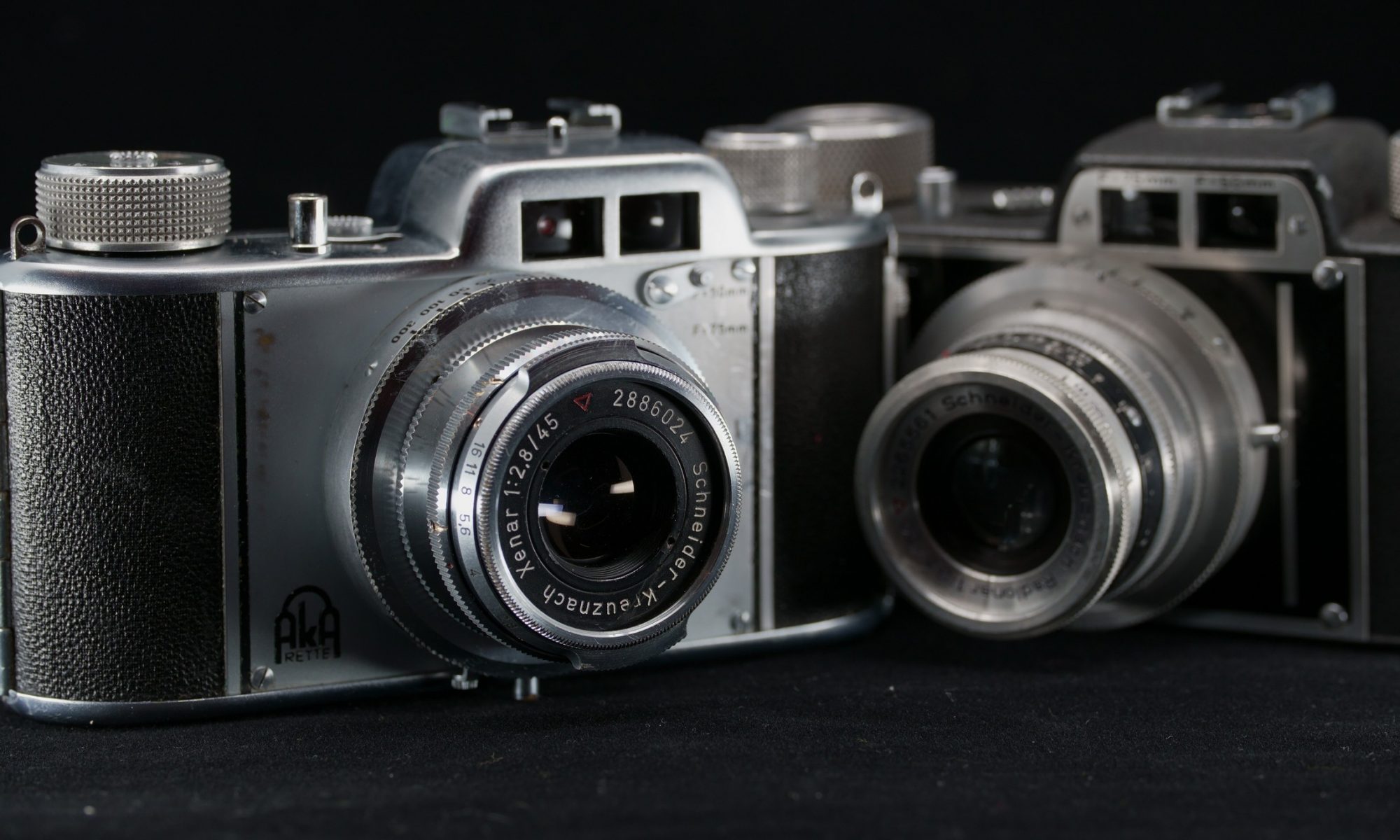
A less known German brand is Apparate & Kamerabau that produced one of the most popular and affordable cameras during and after WWII: the AkArette. A sturdy little piece of typical craftsmanship made in a difficult time and beloved of its tiny dimensions.
Continue reading “Also known As AkArette”Leica ‘s reflex to the East
Germany is considered too late in its responding to the rapid popularity of the Japanese SLR in the sixties. And the German SLR in general also did not become the long-awaited success; in fact, it became the downfall of the camera industry. Only Leica managed to survive thanks to the unequalled Rangefinder series. It’s a pity that the Leica SLR always has been overshadowed by its big M brother, because there is a lot to be said for Leica’s SLR, especially the legendary Leicaflex. It is now on the rise, finally after sixty years of oblivion.
Continue reading “Leica ‘s reflex to the East”Pentacon 135mm F2.8, a gem from the cold war
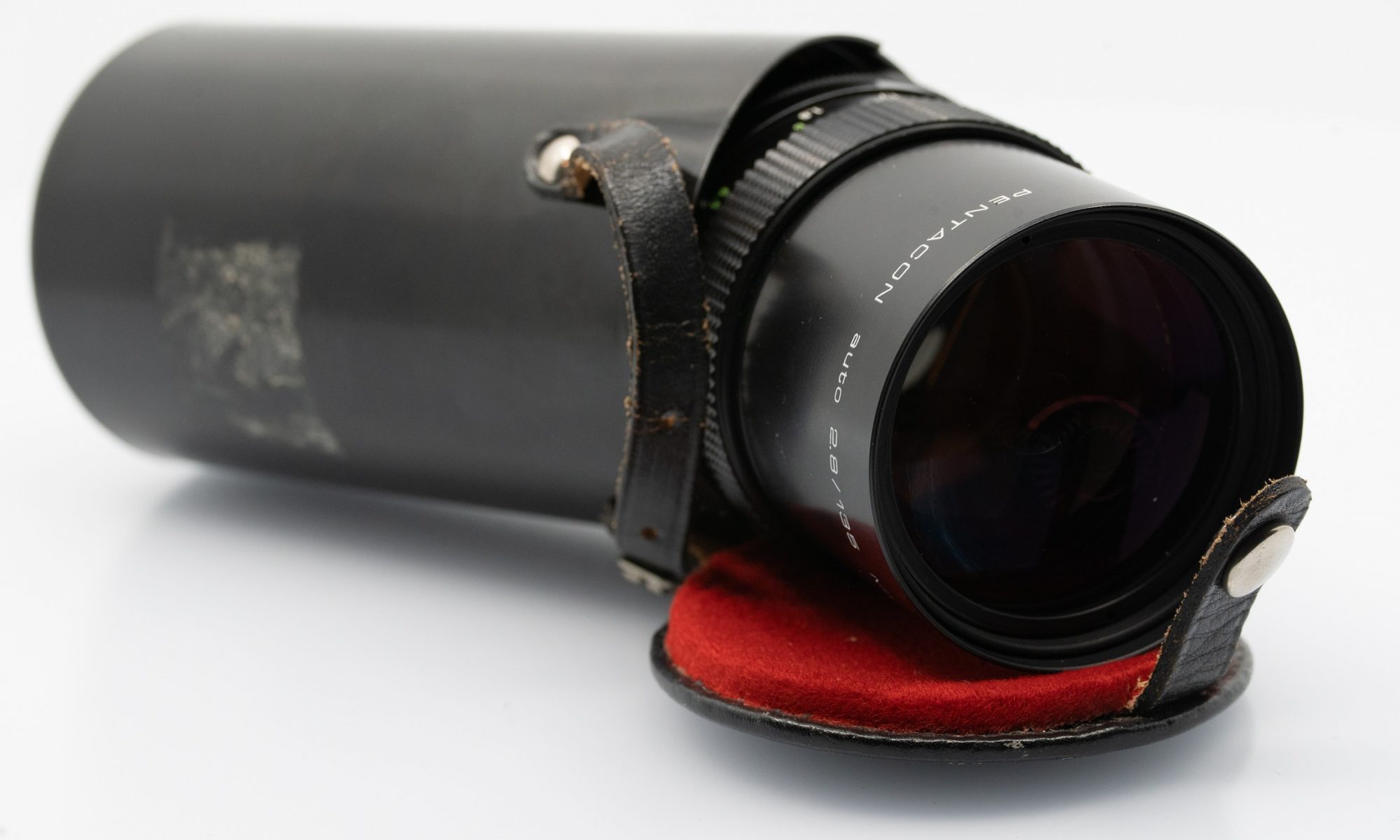
Vintage lenses are more popular than ever before. No wonder, with simple adapters, the gems of the past can be mounted on modern digital cameras. And the quality of those lenses really comes to life digitally. The beauty of it is that these vintage lenses cost a fraction of a modern, new lens while showing a similar quality. Do not expect autofocus or other electronic communication between lens and body, this is real manual photography. If you are looking for vintage lenses, you can’t avoid M42 threaded lenses and you will eventually among others, end up at Pentacon. A brand hidden behind the iron curtain in East Germany. Undeservedly so, because Pentacon has a lot to offer the discerning and creative photographer, including the 135 mm F2.8 lens, an underrated lens with enormous potential.
Continue reading “Pentacon 135mm F2.8, a gem from the cold war”Dreaming away with the Super Ikonta 6×6
Zeiss Ikon has a special place in (German) camera history. The company was formed in 1926 by the ‘Great’ merger of the Contessa-Nettel, Goerz, Ernemann and ICA companies. In general, the products were superior to those of the competition, both in design and in quality. Market leader with the Super Ikontas as medium format rangefinder cameras. The most famous and popular is undoubtedly the 6×6 series “532/16” produced between 1937 and 1955. I am the proud owner of an excellent copy dating from 1938. An impression of its use 83 years after the first picture was taken with it.
Continue reading “Dreaming away with the Super Ikonta 6×6”The first autofocus SLR: Minolta 7000
Winter 1985. I am standing in a shop window looking at the world’s first autofocus SLR camera. I often walked past it until I had saved up the money to buy one. My first own film camera, my Minolta 7000. A unique moment in the analog age. A camera with interchangeable lenses that could focus automatically.
Continue reading “The first autofocus SLR: Minolta 7000”The first coupled Rangefinder: Kodak No. 3A
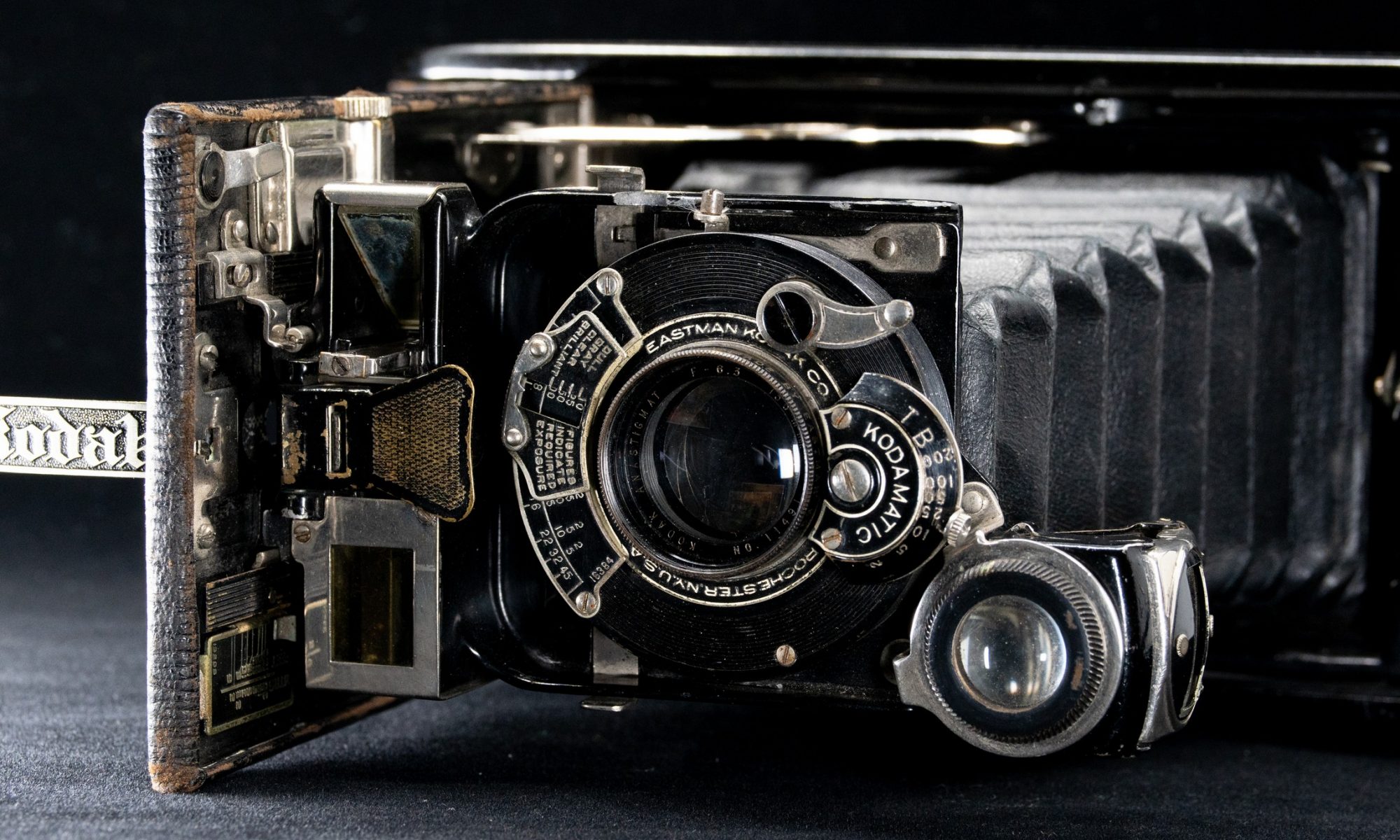
Great things have small beginnings, but in this case an even big start. Let’s dive back to 1916, the year of the No. 3A Autographic Kodak Special. The ‘Special’ was an understatement, since it changed photography significantly. The huge medium format took 8×14 cm pictures. On a roll! We found and happily can review it, this masterpiece of 105 years old.
Continue reading “The first coupled Rangefinder: Kodak No. 3A”