
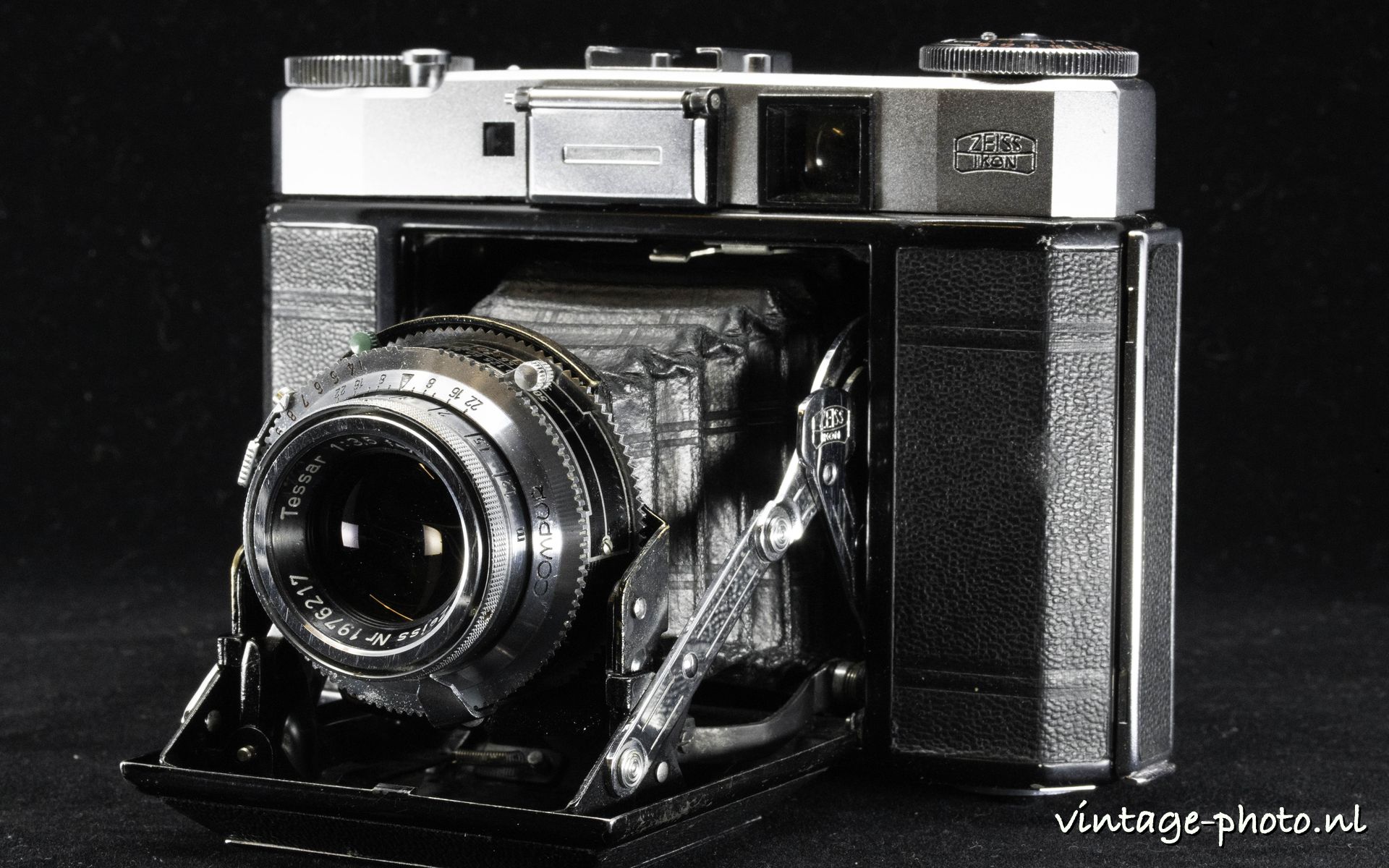
The Zeiss Ikon Super Ikonta IV 534/16 is a timeless, superbly crafted folding medium-format camera known for its high-quality lens and distinctive vintage feel. Valued both as a collector’s piece and as a practical film camera, it remains highly regarded — especially when well-maintained, with intact bellows and a properly functioning rangefinder.
But what makes this camera so magical?
The 534/16 is a folding camera from the Ikonta series, manufactured by the famous German company Zeiss Ikon. It shoots twelve 6×6 cm exposures on 120 roll film. Like all Super Ikonta models, it features a coupled rangefinder for accurate focusing. This version was commonly marketed as the Super Ikonta IV.
I personally own the complete Super Ikonta series. Why? Because each Super Ikonta is different in its own way — for example, in terms of frame size (such as 6×4.5, 6×6, 6×9, and even 6.5×11) or the lens fitted to it (the highly regarded Tessars or the Novars).
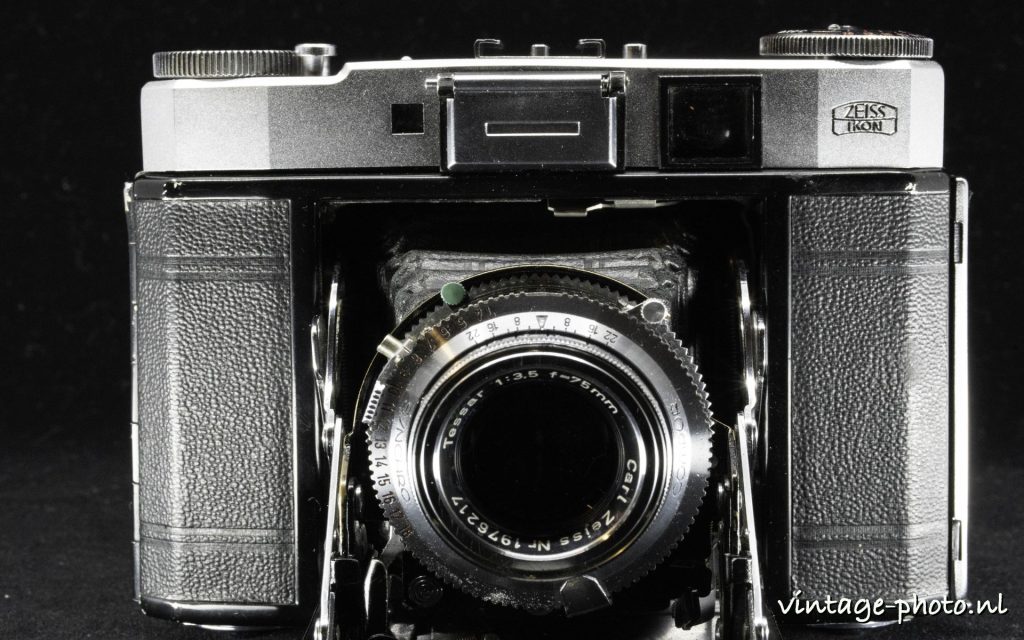
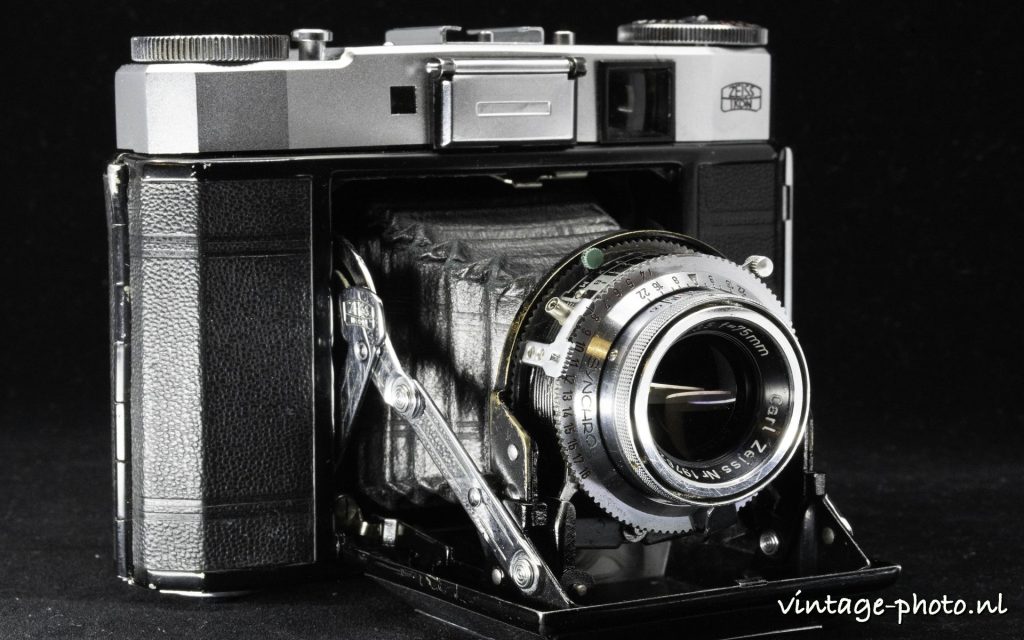
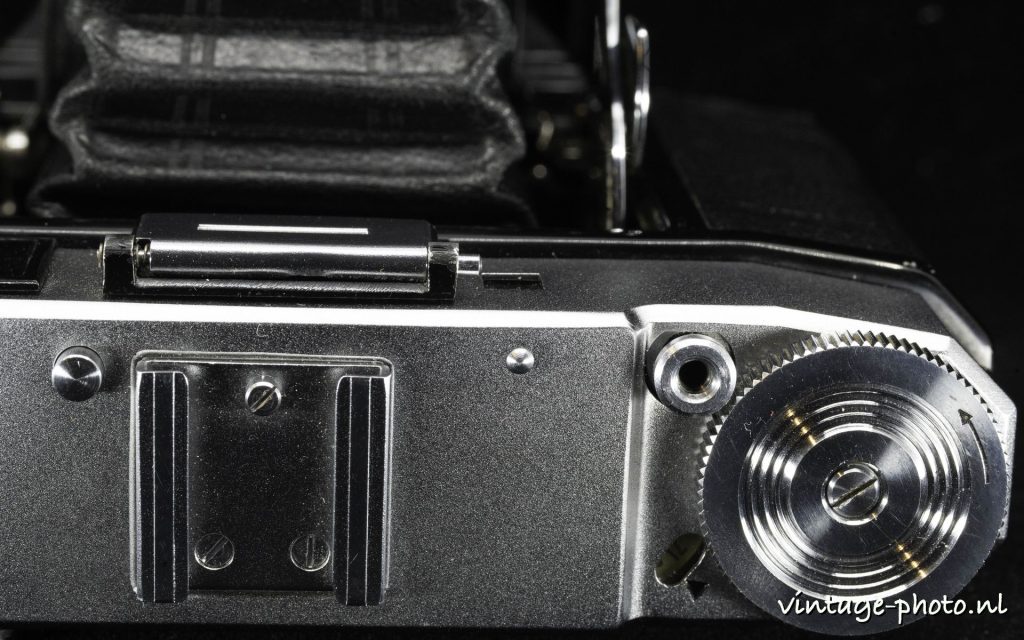
This specs of this late model 534/16 (made 1955-’59) includes an automatic film advance stop with a built-in frame counter. It also has a built-in selenium light meter (Light Value system), though it is uncoupled from the shutter system. Once you take a light meter reading, it can be transferred directly to the shutter. After setting the desired exposure value, the shutter speed and aperture become linked, maintaining the correct exposure. For example, if you select a faster shutter speed, the aperture automatically opens wider to compensate.
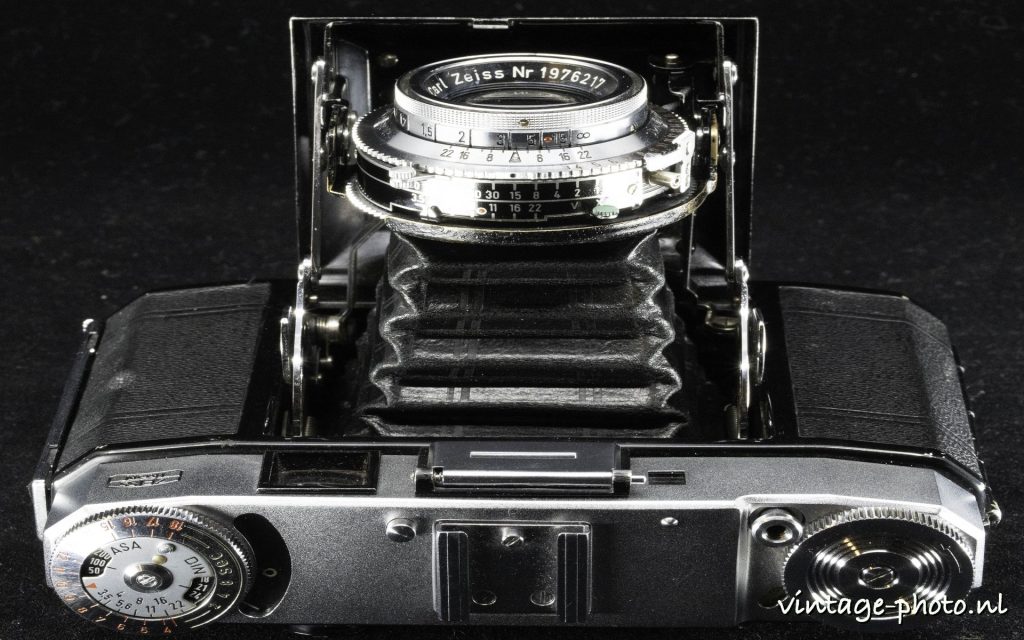
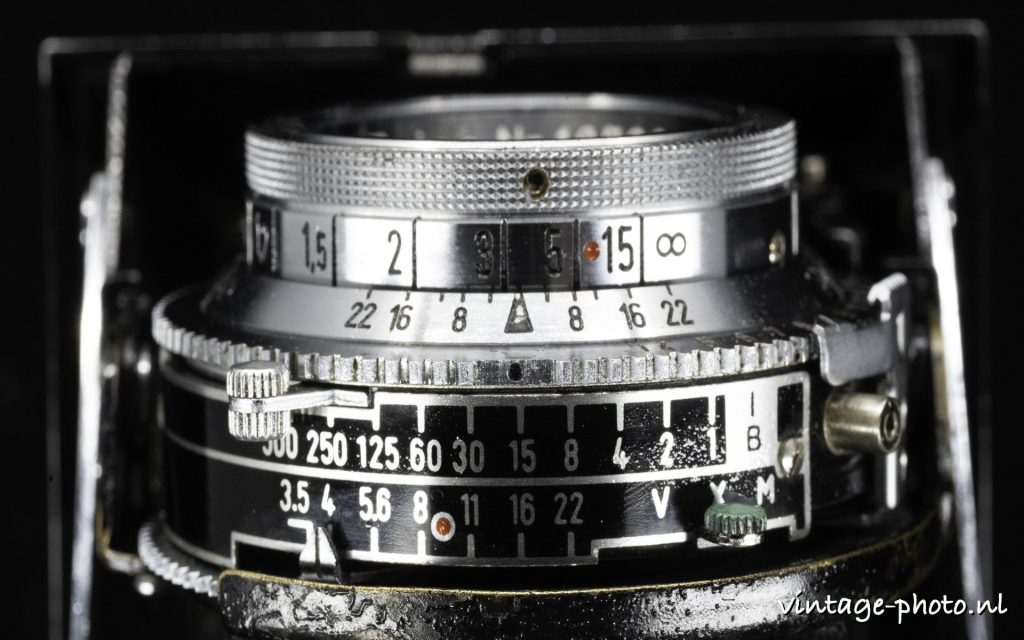
Example: Suppose the meter reading gives you LV 12. That LV might correspond to combinations like:
- 1/125 sec at f/5.6
- 1/60 sec at f/8
- 1/250 sec at f/4
With the LV system engaged, turning the shutter speed ring automatically shifts the aperture ring to maintain LV 12.
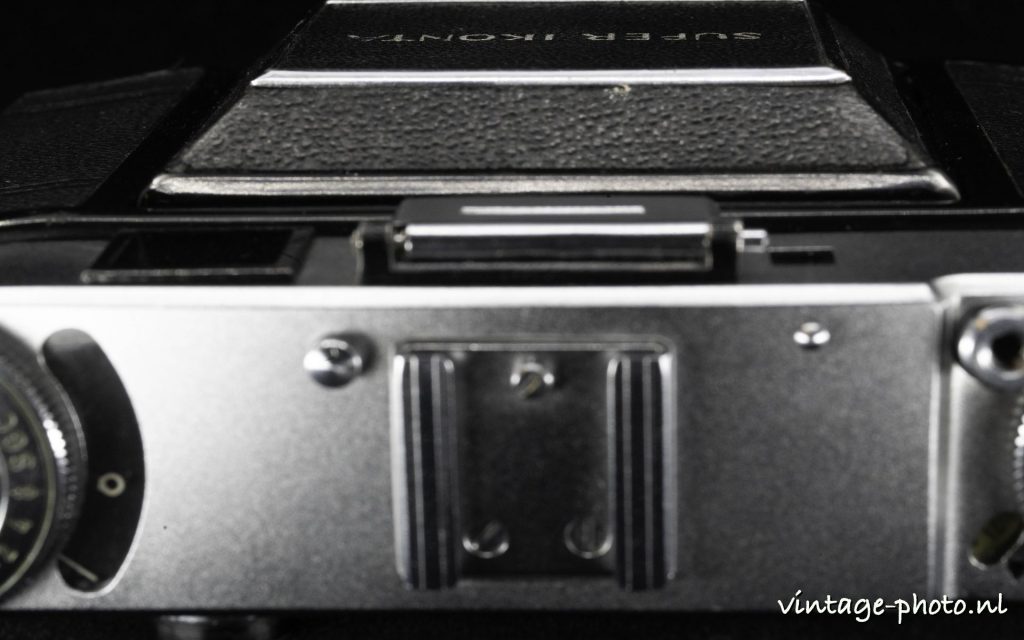
Compared to earlier Super Ikontas (with the exception of the 531/16), there are some important changes. Most notably, the rangefinder mechanism was redesigned. Instead of using an external rotating wedge system, it now operates with a mirror and moving lens arrangement. As a result, the entire rangefinder assembly is integrated neatly into the top cover.
Another significant improvement is the removal of the traditional red window for aligning the film. With this model, you advance the film while the back is open until the start arrows on the backing paper line up with two white indicators inside the film gate. You then close the back and continue advancing the film until it locks into place, automatically setting the frame counter to “1.”
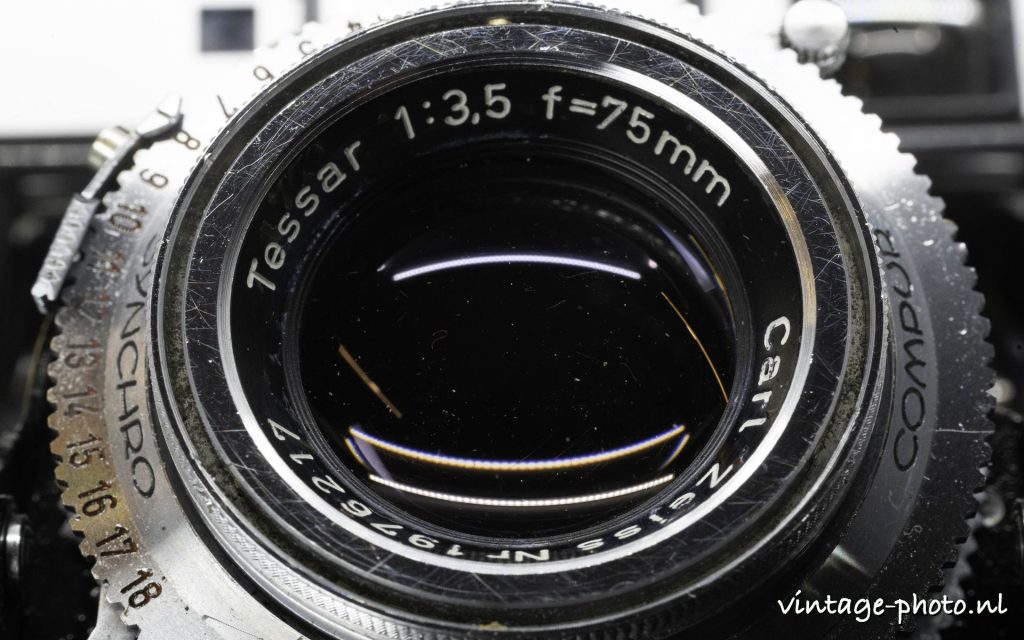
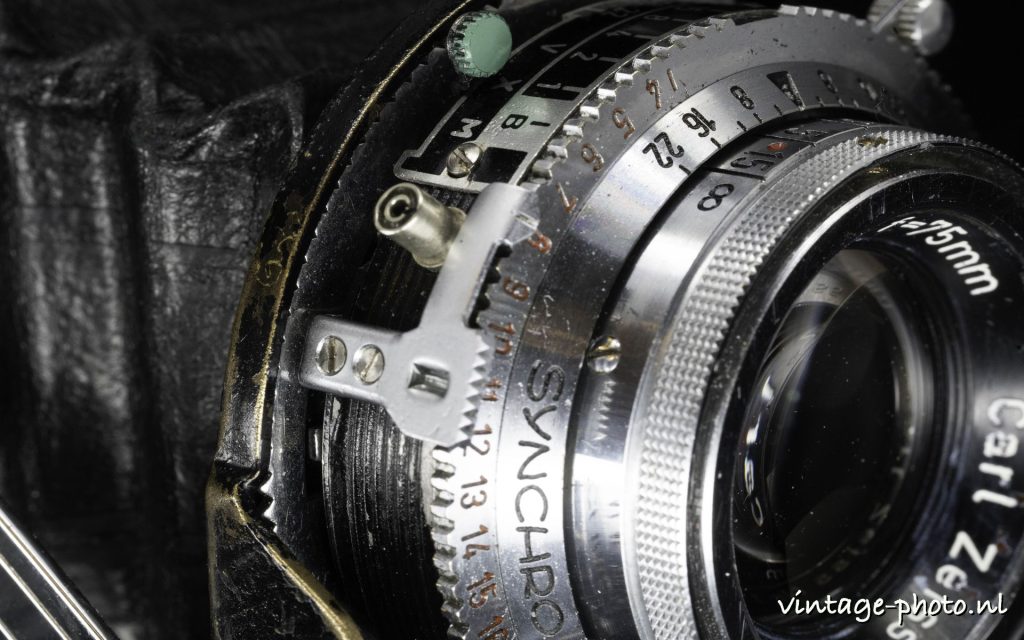
This model has a Tessar 3.5/75 mm lens in a Synchro-Compur shutter. The Tessar 75mm f/3.5 at its widest aperture of f/3.5 it produces a slightly soft image because of remaining spherical aberration, but once stopped down to f/5.6 or smaller, it delivers very impressive sharpness.
For a medium format camera, the Super Ikonta IV collapses into a compact form that’s fairly light and convenient to carry, especially when compared to bulkier TLRs or larger SLR systems. With this Ikonta be prepared for a slower, more deliberate way of working, along with the rich, distinctive look that medium format delivers — making it especially well suited for landscapes, portraits, and expressive film photography.
The cameras are robust and reliable, and they manage to create the true vintage look you hope to achieve with these classic medium-format cameras.
The operation is straightforward, although this camera already allows you to create quite innovative shutter speed and aperture combinations. However, in my opinion, it doesn’t work entirely flawlessly. It’s better to shoot fully manually and use an external light meter for 100% certainty that your photo is perfectly exposed.
Photographing with this 6×6 format is popular because of the distinctive, high-quality look produced by the large square 6×6 cm negative — about three to four times bigger than 35mm film. The format encourages a different, often more deliberate approach to composition, combining nostalgic appeal, exceptional image detail, and the practical advantage of not having to turn the camera for vertical or horizontal framing.